Royal Caribbean's 3-night dining package explained
In:There's no shortage of included food on Royal Caribbean, but booking a specialty restaurant is an easy way to make your cruise feel more special. If you plan on eating at specialty restaurants more than once, you should consider a 3 Night Dining Package.
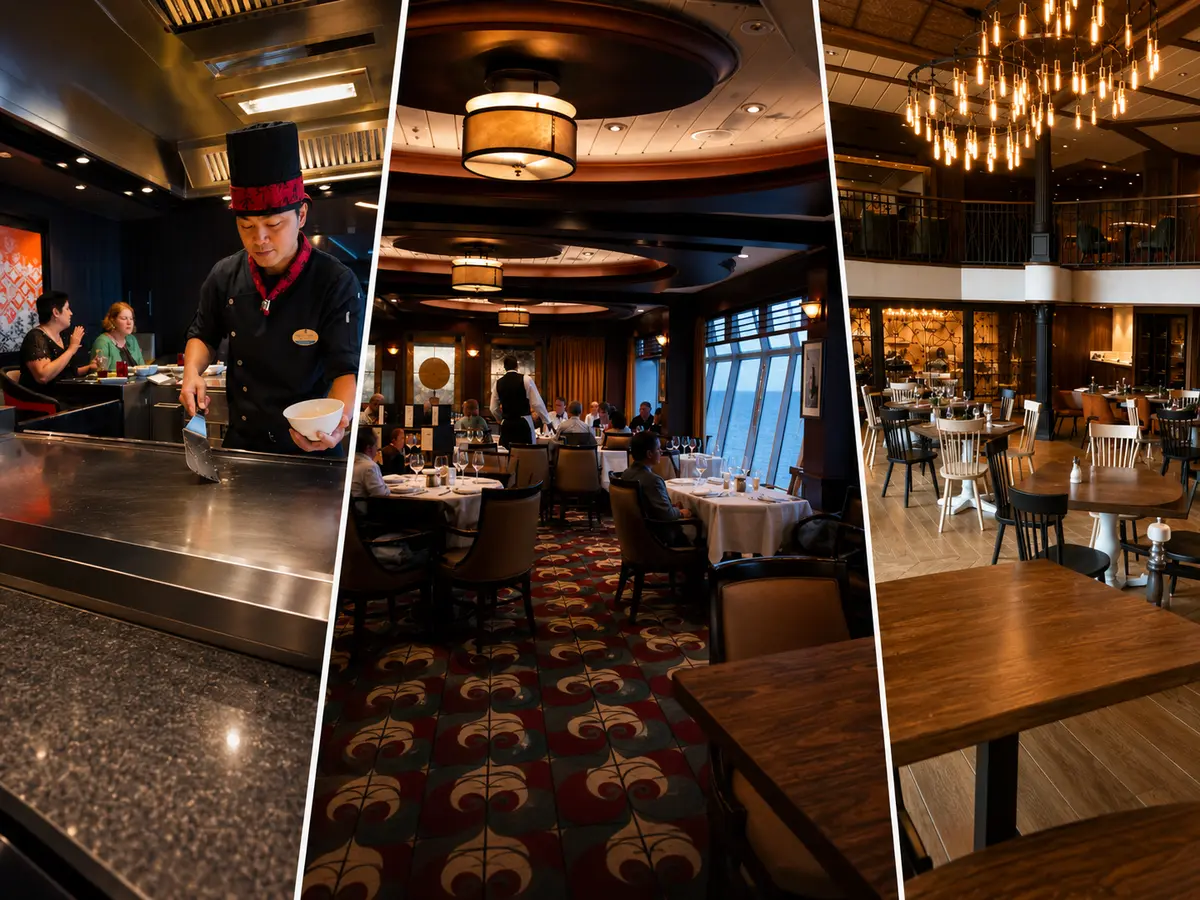
While more restrictive than the Unlimited Dining Package, the 3 Night Dining Package offers a great balance of flexibility and value, allowing you to enjoy elevated culinary experiences without committing to specialty dining each night.
Plus, purchasing the package is almost always cheaper than paying for three specialty restaurants individually through the Cruise Planner.
In this article, we'll go over everything you need to know about the 3 Night Dining Package, including cost, exclusions, and more — including my opinion about whether I think it's worth it.
Royal Caribbean 3 Night Dining Package Cost
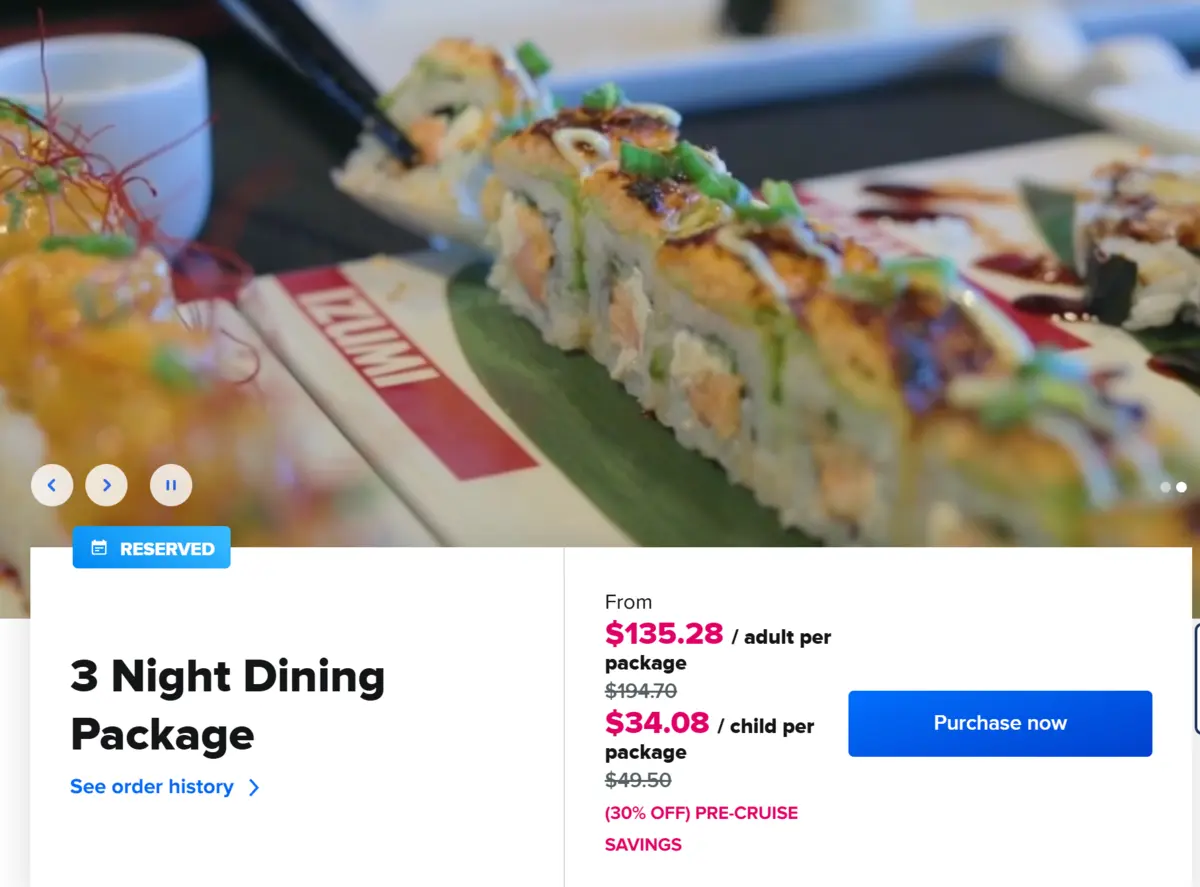
Like drink packages and shore excursions, the 3 Night Dining Package uses dynamic pricing, so the cost fluctuates based on factors like ship, sail date, and demand. Generally speaking, though, you can expect to pay $95 to $150 per person, before the mandatory 18% service charge.
Child pricing applies to kids ages 6 to 12, while those 5 and under are complimentary. That said, you can add children to specialty restaurant reservations for just $15, which is cheaper than purchasing a dining package.
As such, families with younger children may not need to purchase a dining package for every person in their group.

You can (and should) buy your dining package through Royal Caribbean's Cruise Planner before your cruise. Not only will you have the best chance of securing your preferred dining times, but you'll also likely save money compared to purchasing it onboard.
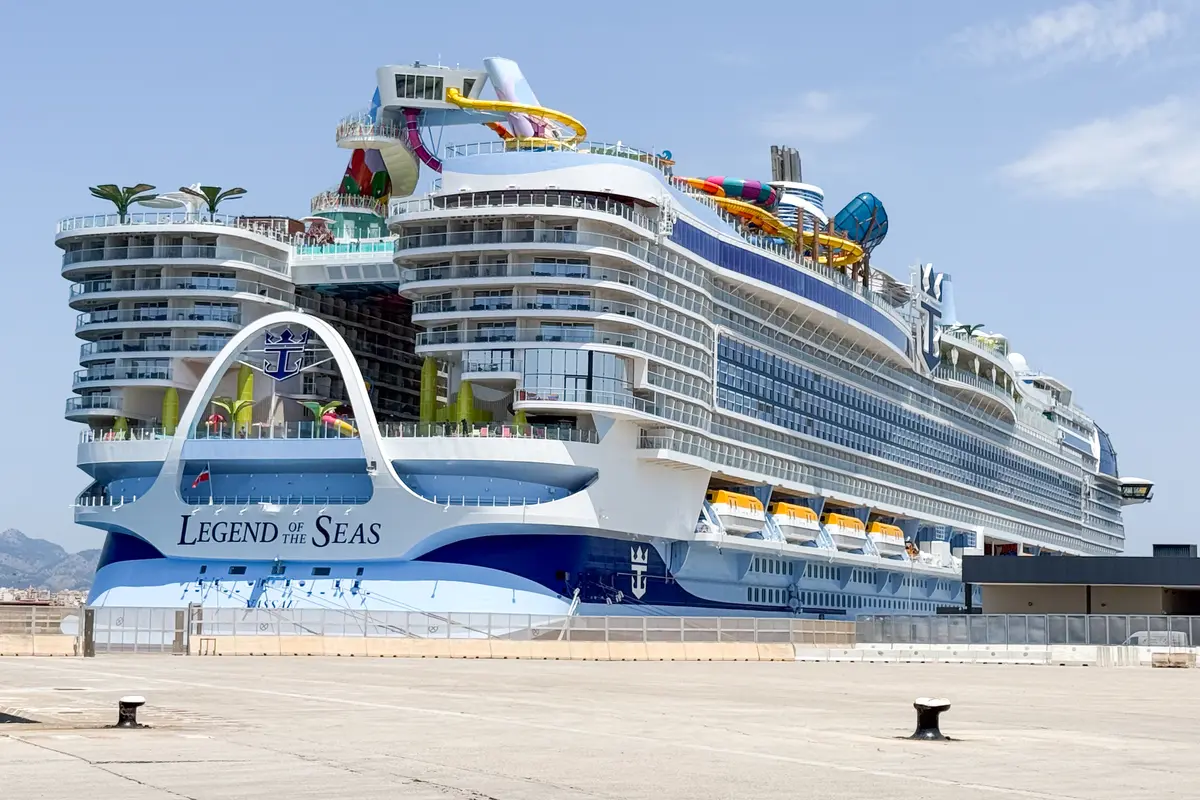
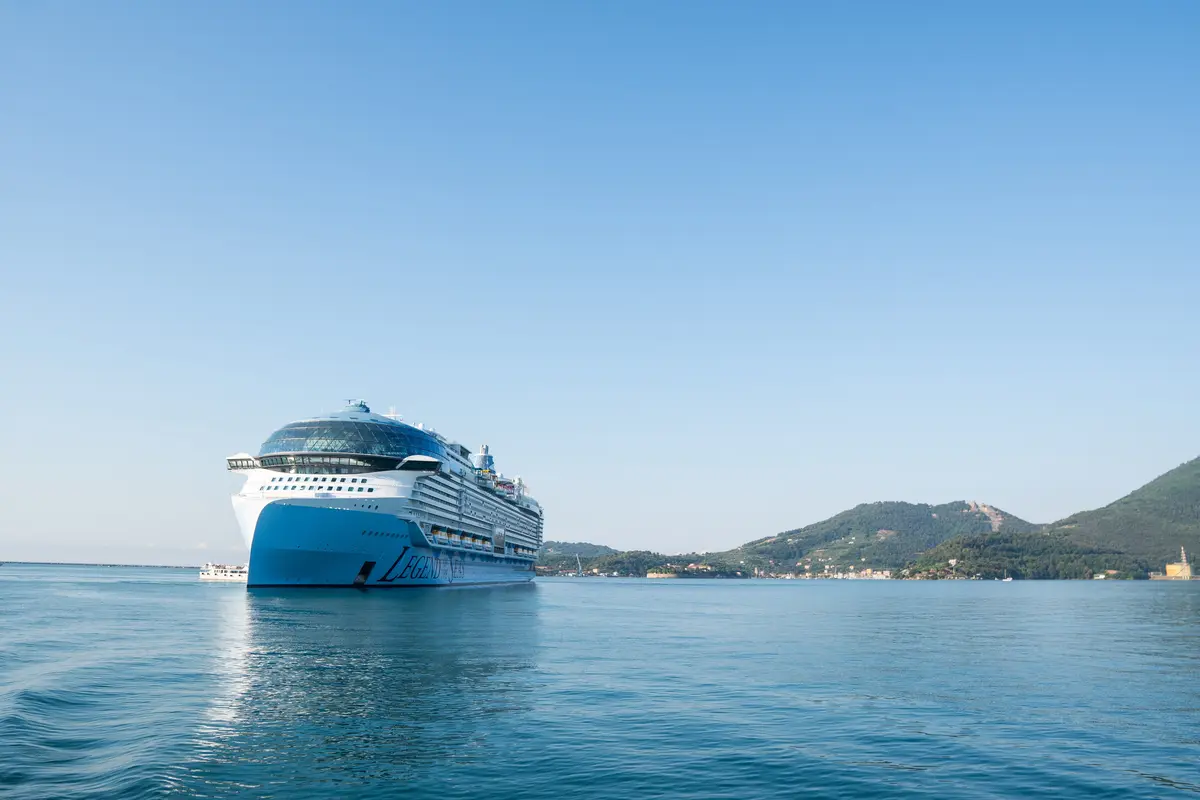
For example, the onboard price for the 3 Night Dining Package on an upcoming sailing aboard Legend of the Seas is advertised at $194.70. However, the price drops to $135.28 when bought in advance.
Royal Caribbean allows guests to cancel and rebook any pre-cruise add-ons on the Cruise Planner website up to 48 hours before their cruise. As such, if the price of the 3 Night Dining Package decreases, you can cancel and rebook at the lower price with no penalties.
Everything Included with the Royal Caribbean 3 Night Dining Package
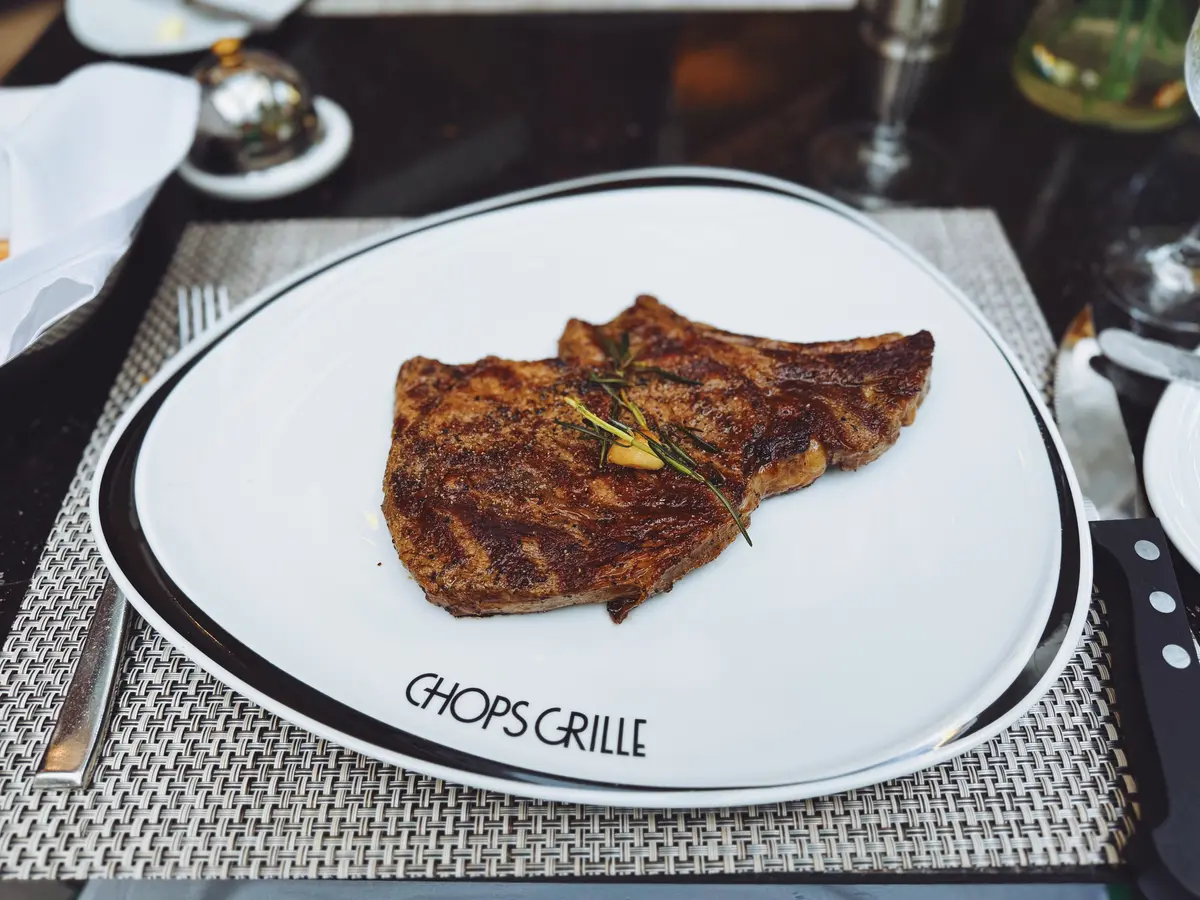
The 3 Night Dining Package includes three specialty dinners at participating restaurants on your ship.
Unlike the Unlimited Dining Package, which allows guests to dine at specialty restaurants as often as they'd like during their voyage, this option gives you a set number of meals during your cruise — and only during dinner.
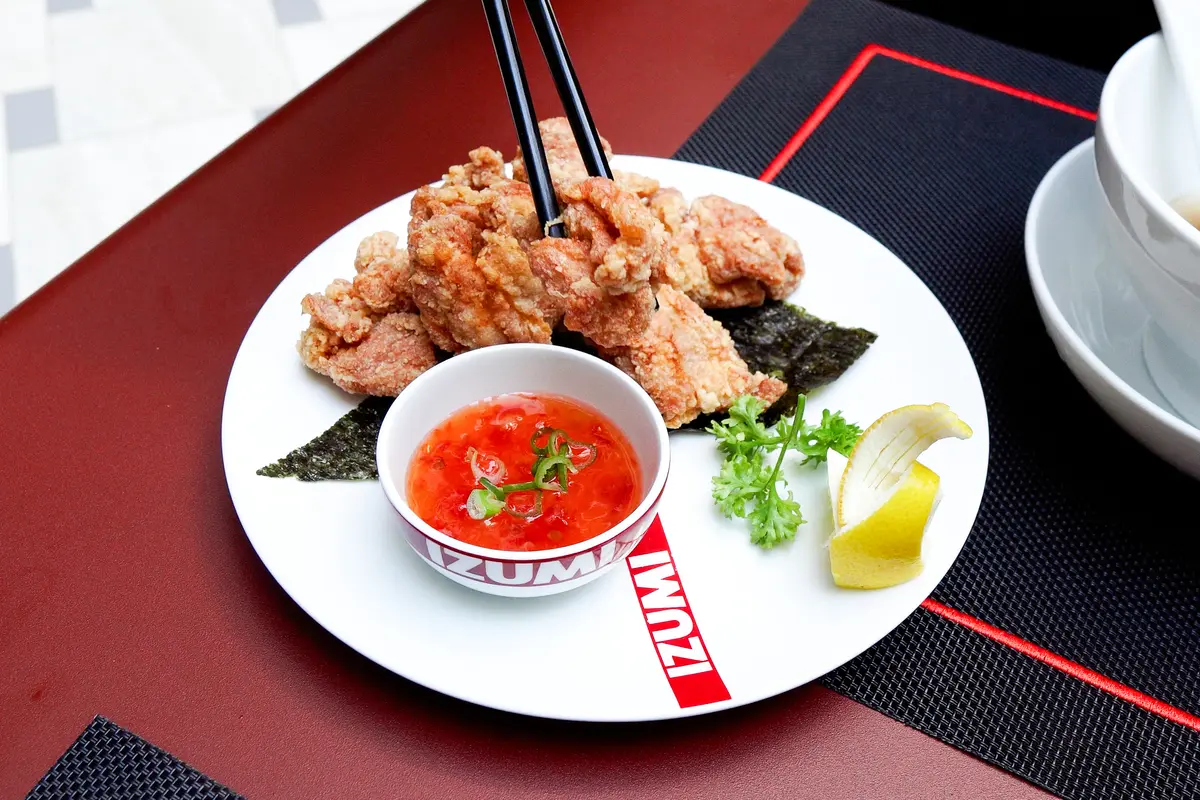
Certain restaurants, including Izumi Hibachi, Empire Supper Club, the Chef's Table, and Royal Railway, require an additional upcharge, even if you have the 3 Night Dining Package, and range from $15 to $130 per guest.

That said, most specialty restaurants are fully covered by the dining package, including Chops Grille, Giovanni's Italian Kitchen, Samba Grill, Hooked Seafood, Wonderland, 150 Central Park, and The Mason Jar.
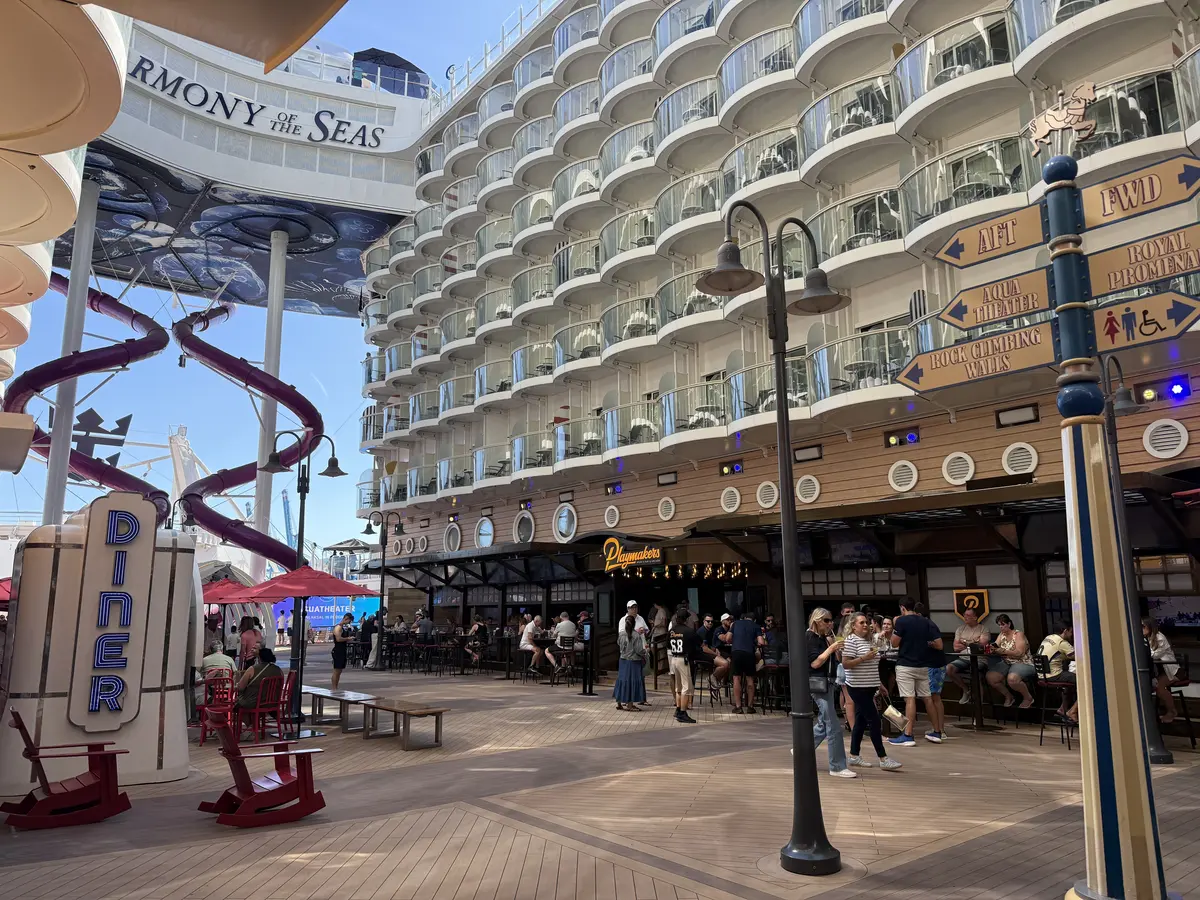
You can also eat at á la carte restaurants, like Playmakers and Portside BBQ. However, since there isn't a set menu with a cover charge, you'll receive a credit toward your final bill instead. In most cases, this is a poor value compared to what you get at other restaurants and isn't recommended with the 3 Night Dining Package.
Additionally, you'll get a 40% discount on bottles of wine under $100 and 20% off bottles above $100 while dining in specialty restaurants on your Royal Caribbean cruise.
Royal Caribbean 3 Night Dining Package Restrictions
As mentioned, the 3 Night Dining Package only includes three specialty dinners during your sailing. This means you'll need to be strategic about when and where you want to use them.
Moreover, the package does not include every specialty dining venue onboard, with some restaurants requiring an additional upcharge on top of the package cost:
- Izumi Hibachi/Teppanyaki: $15
- Royal Railway: Adult: $50, Child: $25
- Chef's Table & Holiday Dinners: $50
- Izumi Omakase: $60
- Empire Supper Club/Lincoln Park Supper Club/Hollywoodland Supper Club: $130
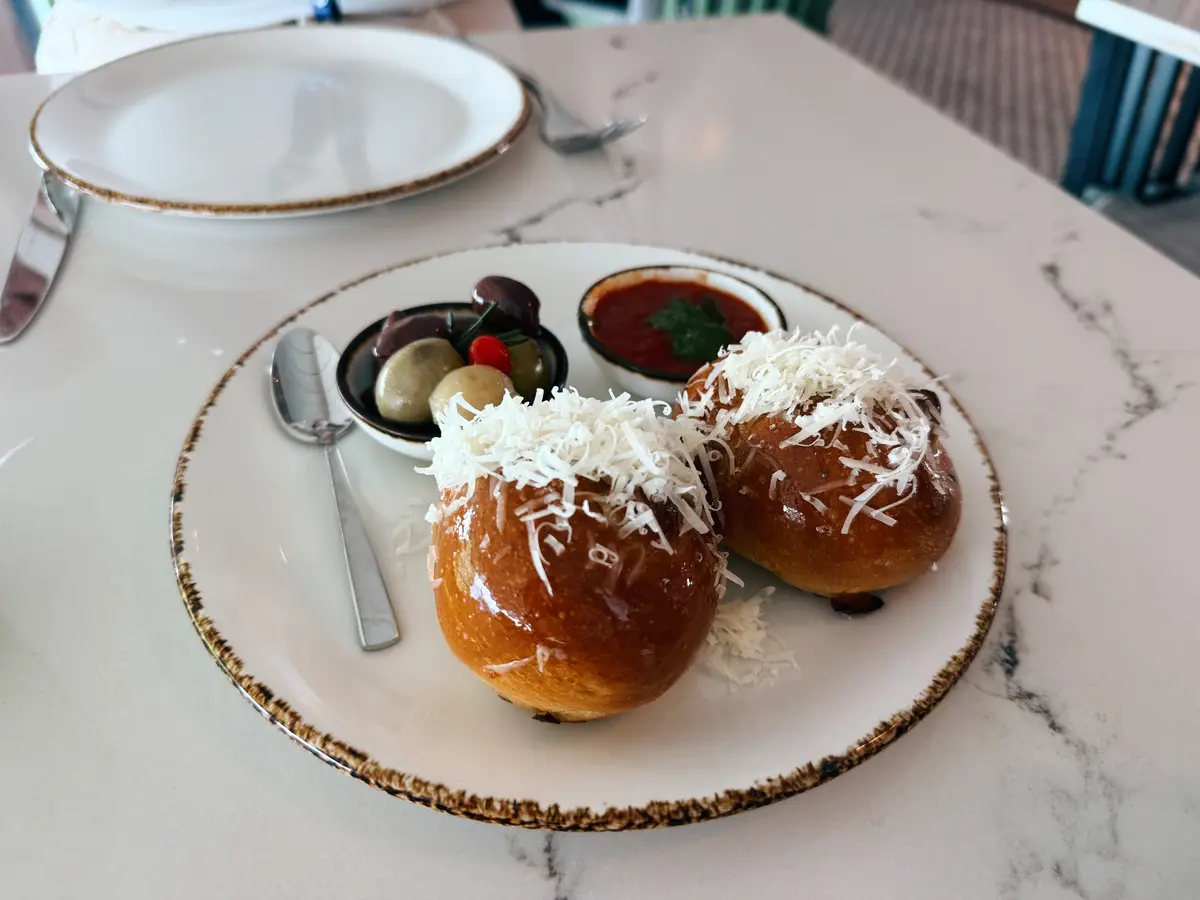
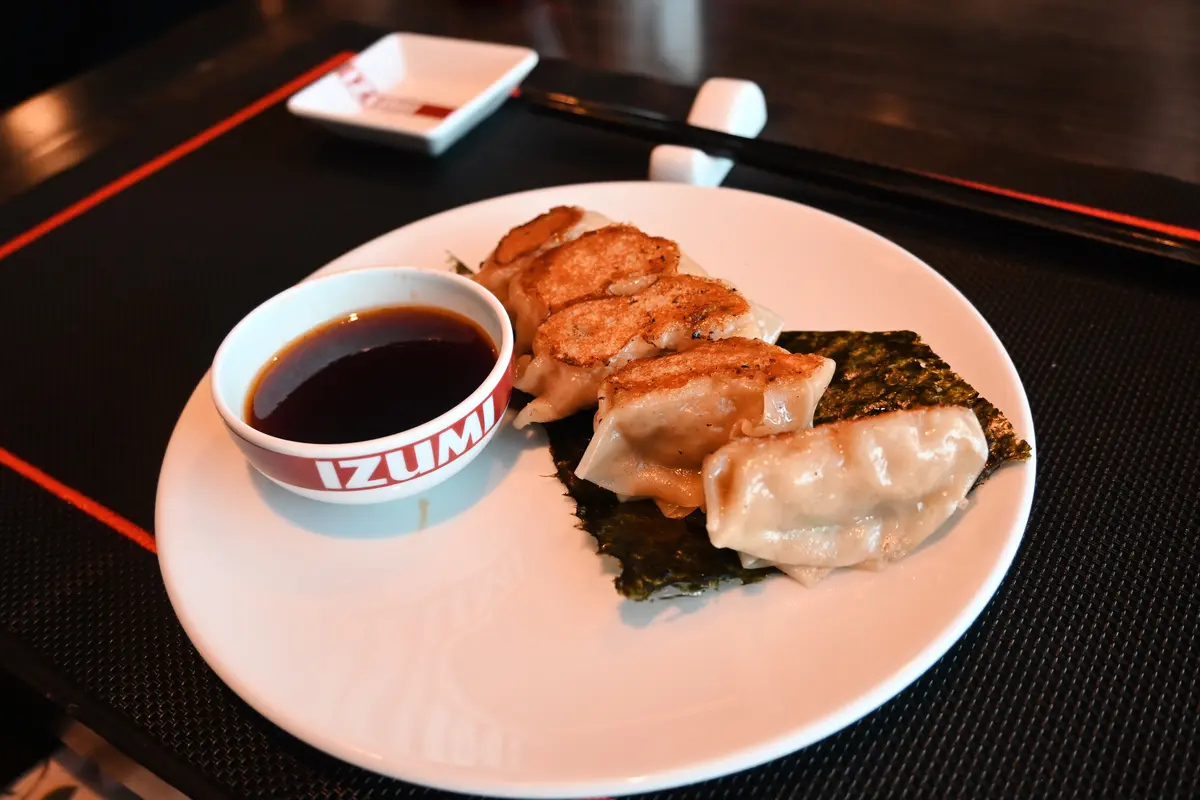
Moving on, if you use the 3 Night Dining Package at Izumi Sushi, you'll be given the prix fixe menu rather than the full à la carte menu.
The prix fixe menu includes one small plate, two large plates, and one dessert. However, it is important to note that sushi rolls ordered through the prix fixe menu are typically half the size of those on the regular à la carte menu. Still, there's plenty of food between the three courses.
Finally, tapas and small bites at venues like Vintages and Trellis Bar are not included in the Royal Caribbean dining package.
3 Night Dining Package Reservations
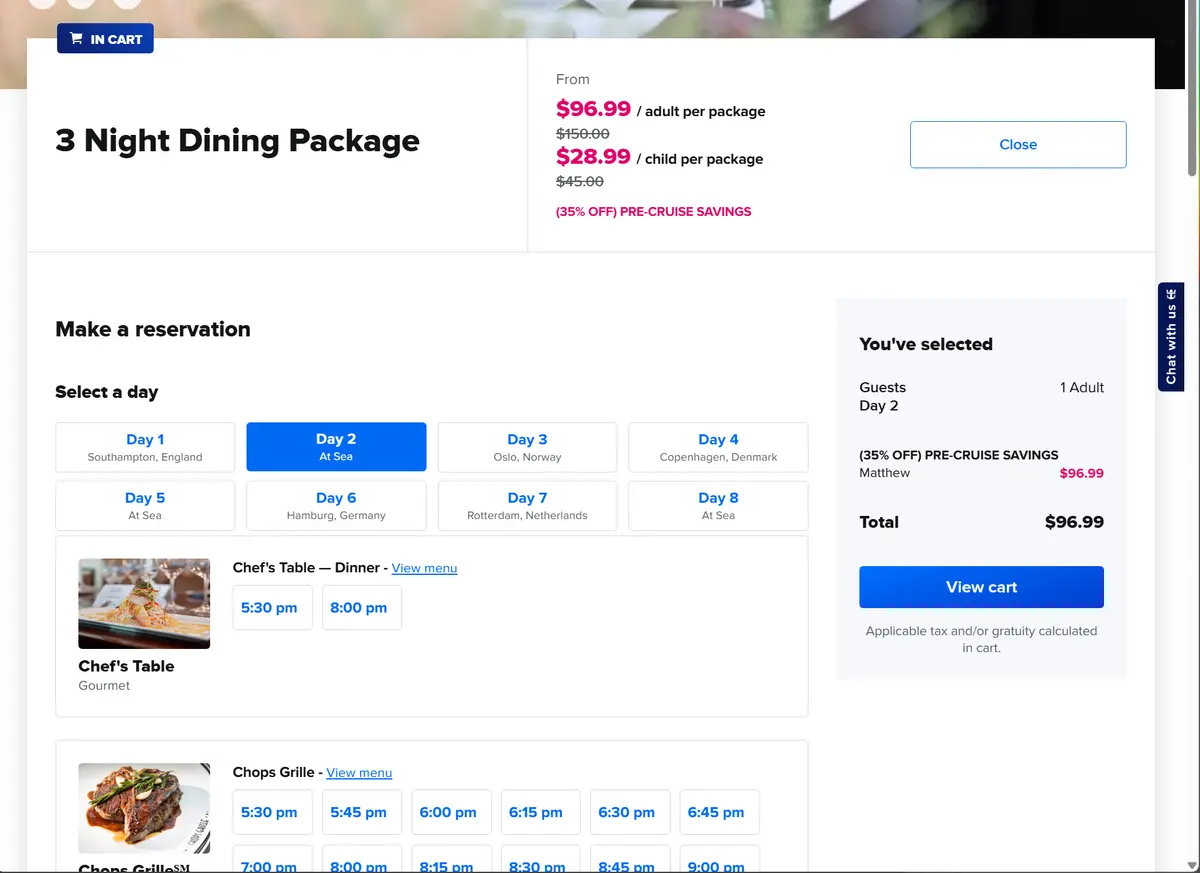
In the past, one of the biggest downsides of the specialty dining packages was that you had to wait until you were on the ship to book your reservations.
Now, however, you can pre-book specialty restaurants for the 3 Night Dining Package on the Cruise Planner. This means you do not have to rush to the reservations desk on embarkation day!
All you have to do is log in to the Royal Caribbean website and go to the Cruise Planner webpage for your voyage. Then, navigate to the "Dining" tab and choose the 3 Night Dining Package.
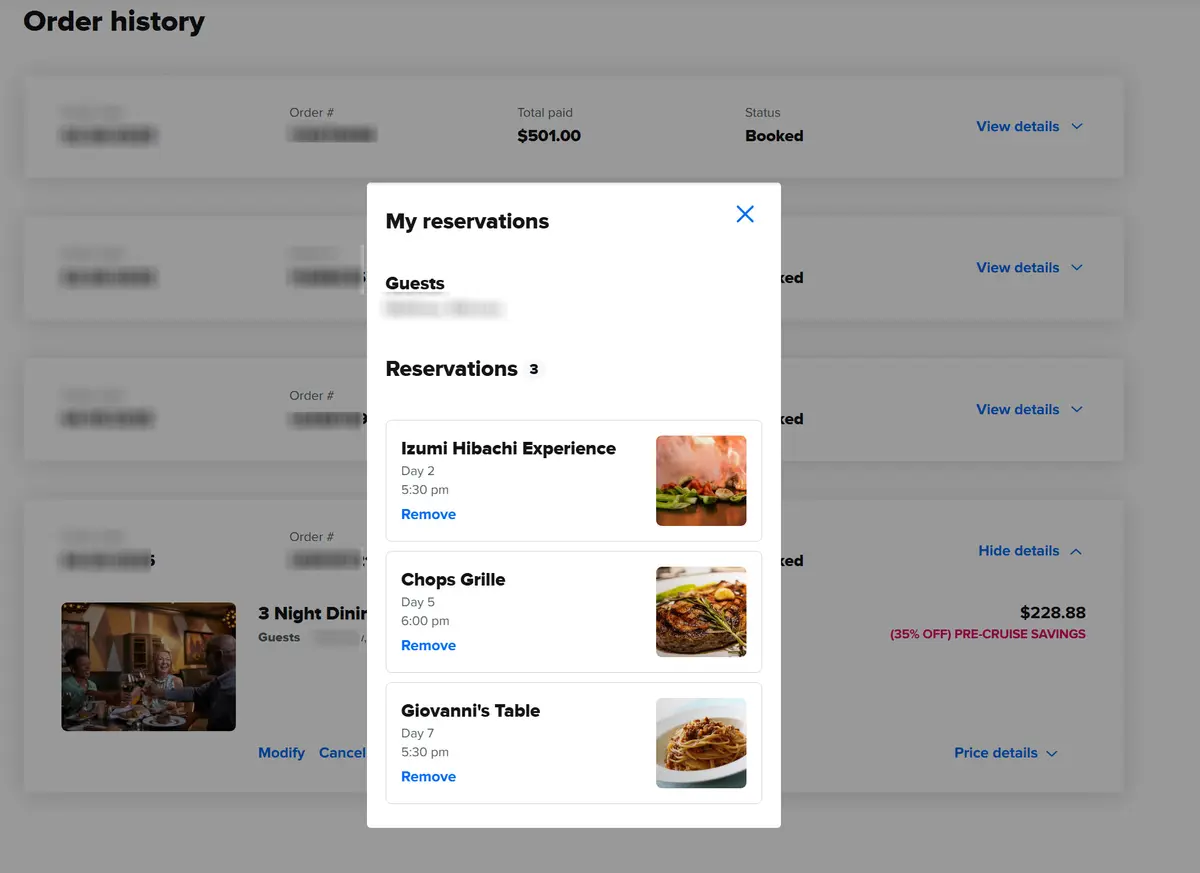
From there, hit the "Reserve" button, select the people you want the package for, and click "Add to Cart." At that point, you can select your specialty restaurants and preferred dining times for your 3 Night Dining Package.
Unlimited Dining Package vs. 3 Night Dining Package

So, now that we've gone over the ins and outs of the 3 Night Dining Package, you might be wondering whether you should get the Unlimited Dining Package instead.
As someone who has purchased both, the biggest difference comes down to how many specialty meals you want during your cruise — and how much food you can comfortably stomach.
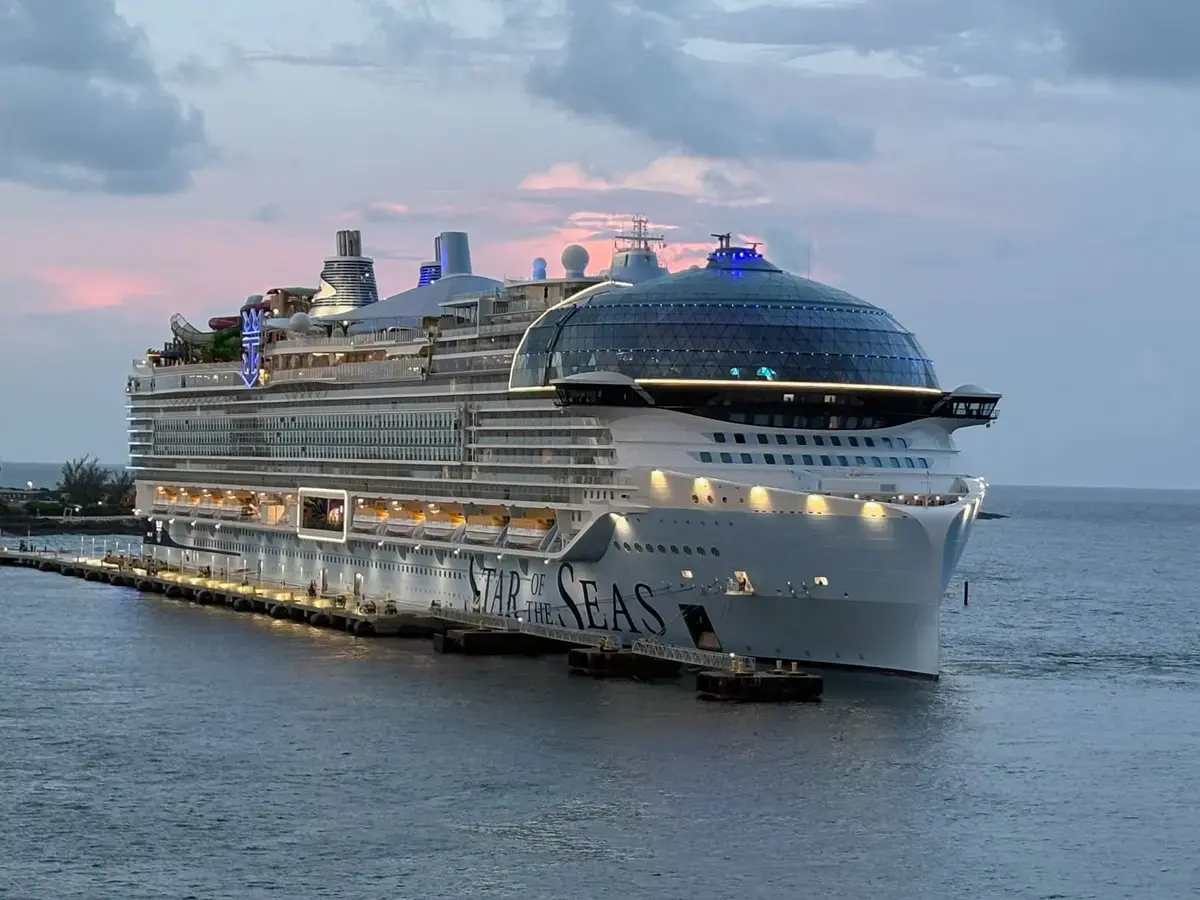
On a newer ship with more options, like Icon of the Seas, a three-night package might not be enough to work your way through all the options.

That said, don't underestimate food fatigue. You don't want to get to the point where another specialty dinner feels more like an obligation than something you're looking forward to.
Conversely, an Unlimited Dining Package on an older vessel, such as Vision of the Seas or Brilliance of the Seas, could feel repetitive on longer voyages.
Either way, the 3 Night Dining Package is a solid choice because you can enjoy a few elevated meals while leaving room to experience the complimentary venues included in your cruise fare. Additionally, you will save money compared to booking specialty restaurants individually.